
Tag: baby
-
Going Back to Work

Going back to work is a daunting task after giving birth. Here are tips on smoothing the transition from new mom to working mother. Plan your Leave Most mothers give birth between their 38th and 41st week of pregnancy. Ask your maternity provider how close to your due date they think you’ll deliver. Plan to…
-
Shoulder Dystocia

You’ve gotten through labor. You’re 10cm dilated and 100% effaced. It’s time to push. Baby’s head has been delivered. But, the maternity provider says, the rest of baby’s body is not getting through the birth canal. One or both of your baby’s shoulders is stuck behind your pubic bone. Shoulder Dystocia is a medical emergency…
-
Inductions

Induction is the artificial start or continuation of labor. An induction may be recommended by your provider for a variety of health reasons concerning you or your baby. Inductions may be mechanical or medicinal. This list is not all-inclusive but represents the most common forms of induction. Medicines used in Induction Prostaglandins – are lipids…
-
Epidurals
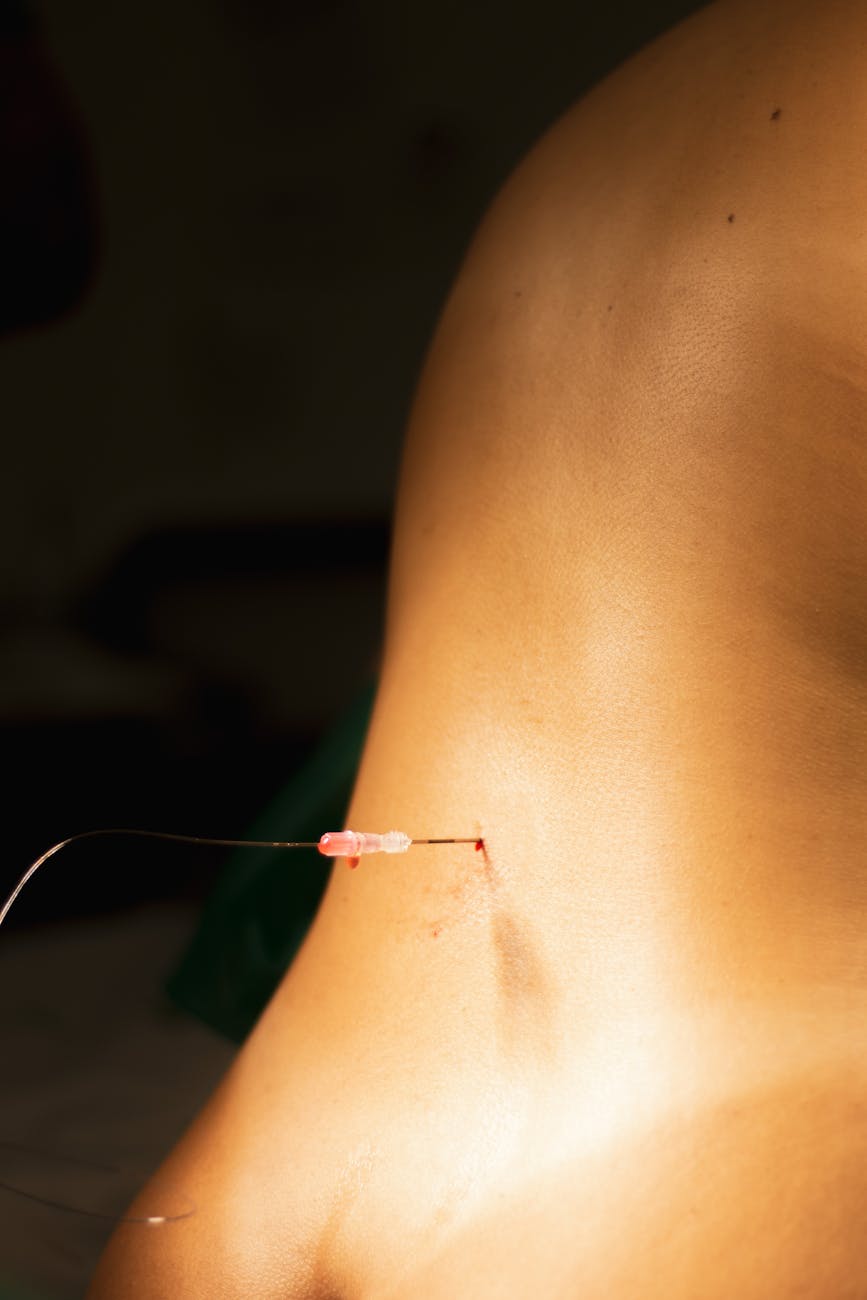
There is much discussion about epidurals. But what is the procedure? Which medications are used? And, how does it affect mother and baby? The Procedure An epidural is a procedure in which a needle is inserted into the lumbar region of your vertebral column, backbone. A catheter (tube) is threaded through the needle and is…
-
Five Ways to Know You’re Progressing WITHOUT a Vaginal Exam

Spontaneous Rupture of Membrane (SROM) When your water breaks on its own, it is called Spontaneous Rupture of Membranes (SROM). It can happen at any time during labor. Only 10% of women have it happen before contractions start. When it does happen before contractions, the birthing person usually is 24 to 48 hours away from…
-
Active Labor

The Beginning of Active Labor As early labor ends, the birthing person moves into active labor. Active labor is marked by a cervix that is 6cm dilated. At this time, contractions are 2 to 3 minutes apart. The birthing family should be at their birth setting. Labor progress is measured by the mother’s cervix dilation…
-
The End of Early Labor

5cm dilated is considered the end of early labor. Typically, the pregnant person is at home at this time. So, the characteristics of contractions are used to gauge if this phase has been completed. The pregnant person’s subjective perspective of when contractions start and stop and whether the contractions feel ‘stronger’ are very important. When…
-
Early Labor

Labor is divided into the 1st, 2nd, and 3rd stages. During the 1st stage of labor, the cervix effaces (softens, shortens, and thins) and dilates (opens). This first stage happens in two phases: Early Labor-1 to 5cm dilated- and Active Labor- 6 to 10cm dilated. These are the signs your body is getting prepared for…
-
Birth Centers

A birth center is a home-like setting in which expectant parents give birth. Birth Centers are licensed medical facilities and may be accredited to show they abide by the highest standards of service. The healthcare provider at a birth center typically is a Certified Midwife or Certified Nurse Midwife. Midwives often have midwifery assistants and/or…
-
Sleep Training

Sleep Training are methods by which infants are encouraged to soothe themselves back to sleep when they wake during the night. Ideally, sleep training is attempted at around six months old. Do not attempt sleep training prior to your infant reaching 4 months old. Infants younger than 4 months old cannot regulate their sleep. Visit…
 Wisdom The Sweetness