
Tag: ob/gyn
-
Shoulder Dystocia

You’ve gotten through labor. You’re 10cm dilated and 100% effaced. It’s time to push. Baby’s head has been delivered. But, the maternity provider says, the rest of baby’s body is not getting through the birth canal. One or both of your baby’s shoulders is stuck behind your pubic bone. Shoulder Dystocia is a medical emergency…
-
Inductions

Induction is the artificial start or continuation of labor. An induction may be recommended by your provider for a variety of health reasons concerning you or your baby. Inductions may be mechanical or medicinal. This list is not all-inclusive but represents the most common forms of induction. Medicines used in Induction Prostaglandins – are lipids…
-
Epidurals
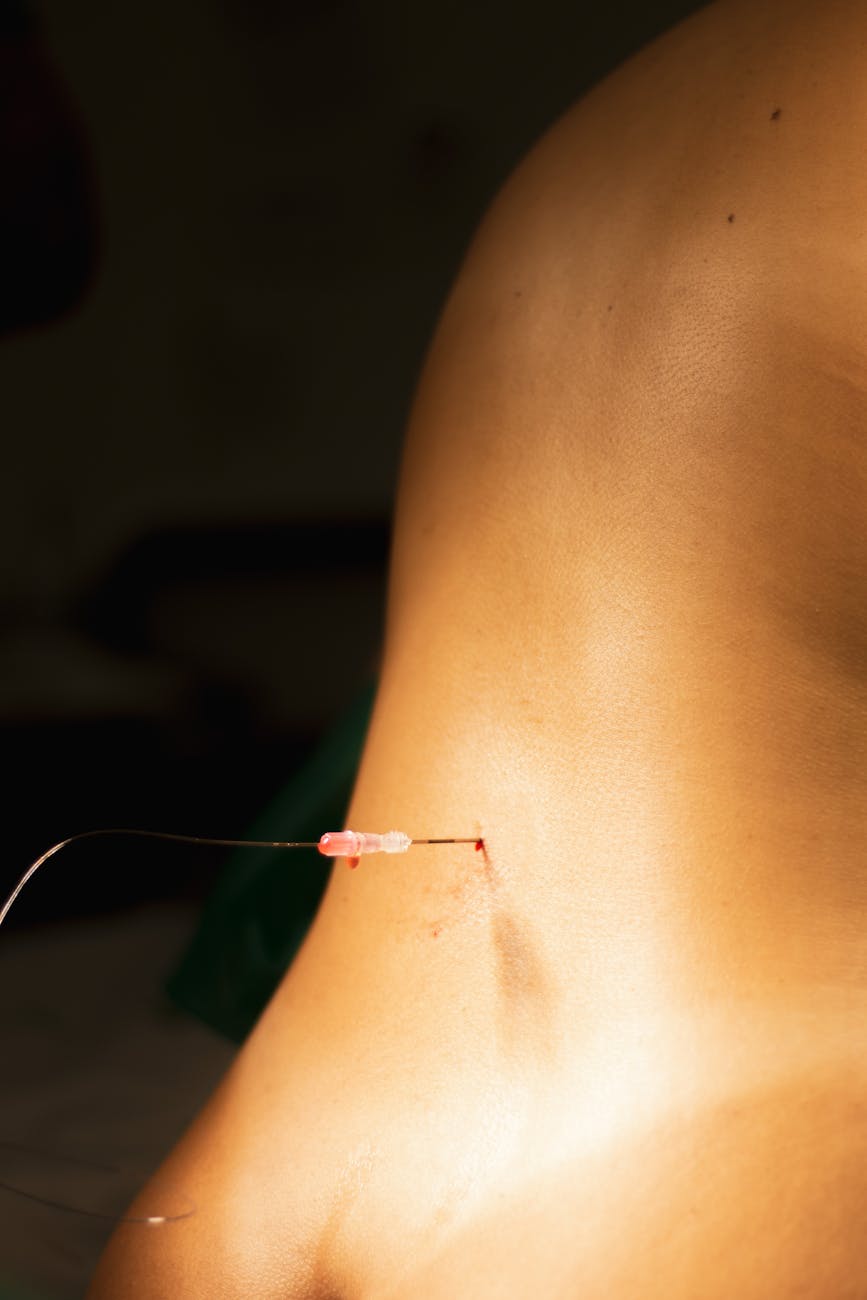
There is much discussion about epidurals. But what is the procedure? Which medications are used? And, how does it affect mother and baby? The Procedure An epidural is a procedure in which a needle is inserted into the lumbar region of your vertebral column, backbone. A catheter (tube) is threaded through the needle and is…
-
Five Ways to Know You’re Progressing WITHOUT a Vaginal Exam

Spontaneous Rupture of Membrane (SROM) When your water breaks on its own, it is called Spontaneous Rupture of Membranes (SROM). It can happen at any time during labor. Only 10% of women have it happen before contractions start. When it does happen before contractions, the birthing person usually is 24 to 48 hours away from…
-
Active Labor

The Beginning of Active Labor As early labor ends, the birthing person moves into active labor. Active labor is marked by a cervix that is 6cm dilated. At this time, contractions are 2 to 3 minutes apart. The birthing family should be at their birth setting. Labor progress is measured by the mother’s cervix dilation…
-
The End of Early Labor

5cm dilated is considered the end of early labor. Typically, the pregnant person is at home at this time. So, the characteristics of contractions are used to gauge if this phase has been completed. The pregnant person’s subjective perspective of when contractions start and stop and whether the contractions feel ‘stronger’ are very important. When…
-
Genetic Counselors

There are many reasons to see a genetic counselor. Genetic testing is required for fertility treatments. It can identify hereditary conditions. It can aid in family planning. It can identify viruses that many have had and should be taken into consideration prior to, during or after birth, such as Cytomegalovirus (CMV). And, knowing about your…
-
Maternity Providers

Happy New Year!!! Whether, you have been a reader since the inaugural post or you are just joining, thank you for being here. The Doula Newsletter hopes to help families prepare for pregnancy, labor and childbirth. Scroll to the bottom of this page, and you will find a toggle in which you can peruse the…
-
Patient Advocates

Advocacy has become a topic in healthcare today. Clients often mention the want for an advocate. A few definitions of a patient advocate is “A person who helps guide a patient through the healthcare system… trained health professionals who advocate when things are going wrong or who act as case managers when healthcare is uncoordinated,…
-
Inaugural Post

Labor and Delivery Units Each doula has a resource list to give clients. The resource list is a categorized list of resources expectant parents may need or want. I will start the Wisdom The Sweetness Newsletter by reviewing the categories in the resource list I provide my clients. I will start with Labor and Delivery…
 Wisdom The Sweetness